
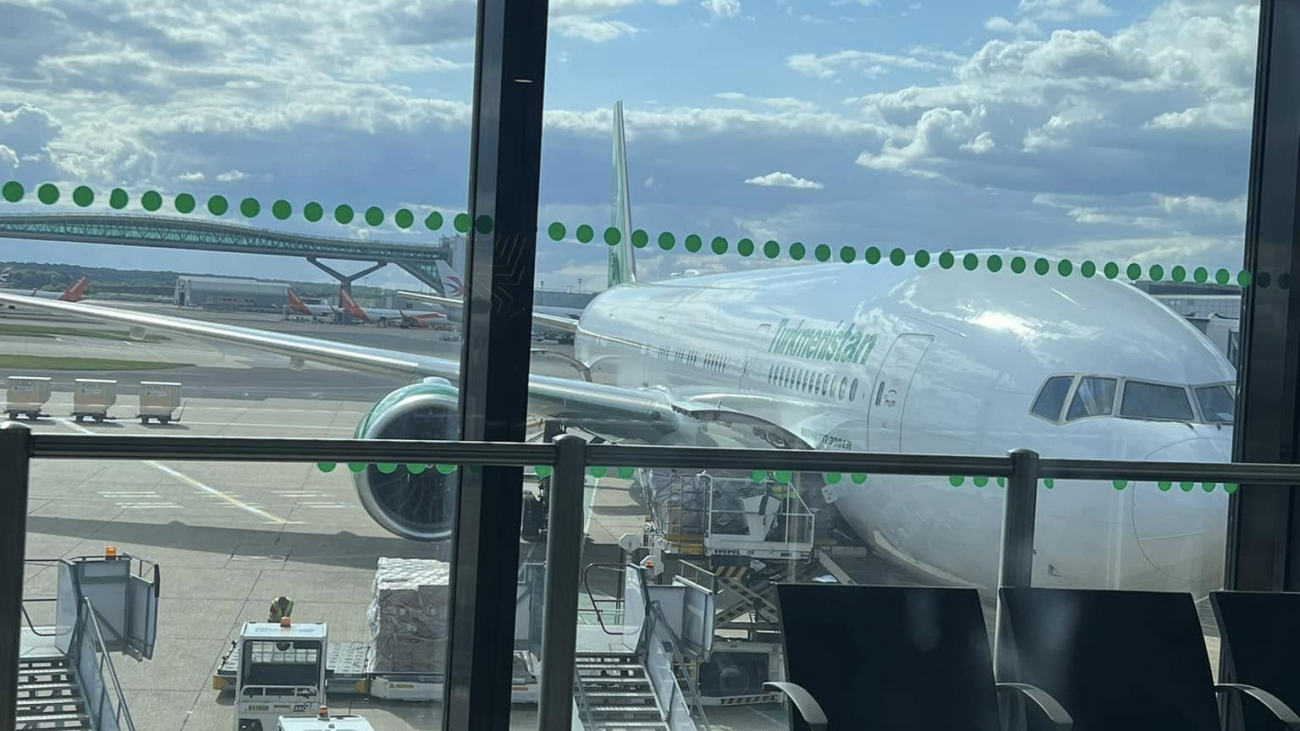
Turkmenistan Airlines is the flag carrier of Turkmenistan, a Central Asian country known for its rich history, vast desert landscapes, and significant energy resources. The airline plays a crucial role in connecting Turkmenistan to the rest of the world, facilitating both passenger and cargo transportation. Here’s an overview of Turkmenistan Airlines:
A Brief History and Overview
Turkmenistan Airlines was established in 1992, following the dissolution of the Soviet Union and Turkmenistan’s declaration of independence. The airline’s early fleet consisted of aircraft inherited from the Soviet era. Since then, it has gradually modernized its fleet and expanded its route network.
The airline is headquartered at Ashgabat International Airport (ASB), which serves as its main hub. From its hub, Turkmenistan Airlines operates a network of domestic and international routes, connecting Turkmenistan with various destinations in Europe, Asia, and the Middle East.
Fleet and Destinations
Turkmenistan Airlines has been investing in modern aircraft to enhance its operational efficiency and passenger comfort. The fleet includes:
- Boeing 737: This is the mainstay of the fleet for medium-haul routes.
- Boeing 777: Used for long-haul flights.
The airline’s route network includes:
- Domestic destinations: Connecting Ashgabat with other cities in Turkmenistan.
- International destinations: Flights to various cities in Europe, Asia, and the Middle East.
Services and Offerings
Turkmenistan Airlines offers a range of services to its passengers, including:
- Passenger services: Economy and business class options are available on international flights, with varying levels of comfort and amenities.
- Cargo services: The airline also provides cargo transportation services, facilitating the movement of goods to and from Turkmenistan.
Safety and Regulations
Like all airlines, Turkmenistan Airlines adheres to international safety standards and regulations. It’s important to note that information regarding airline safety can change, and it’s always advisable to refer to the latest safety ratings and reports from reputable sources.
Challenges and Developments
Turkmenistan Airlines, like other airlines, faces challenges such as:
- Competition: Competition from other international carriers, particularly on long-haul routes.
- Economic factors: Global and regional economic conditions can impact passenger demand and airline operations.
- Geopolitical factors: International relations and geopolitical events can sometimes affect flight routes and destinations.
Despite these challenges, Turkmenistan Airlines continues to play a vital role in connecting Turkmenistan to the world. Ongoing developments in the country’s aviation sector, including the modernization of airports and the acquisition of new aircraft, are likely to shape the future of the airline.